
+91 98235 16720
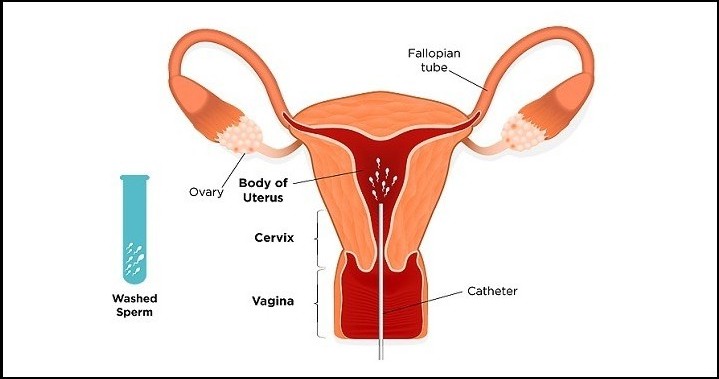
Intrauterine insemination (IUI) is a form of assisted conception treatment. During IUI, your doctor will place selected, washed sperm into your womb (uterus) and near to your egg at your time of ovulation. This procedure is sometimes combined with fertility drugs to increase your chances of conceiving.
Could IUI help me get pregnant?
IUI is usually straightforward and painless, but it’s no longer recommended as a first-line fertility treatment. It may help you as a couple if:
Some fertility problems, such as mild endometriosis, a mildly low sperm count or sperm quality, or unexplained infertility used to be treated with IUI. However, it is no longer recommended for these problems, as research found that success rates using IUI were no better than just carrying on trying to get pregnant naturally.
If you and your partner haven’t conceived after two years of trying, your doctor is likely to recommend IVF. If you have any cultural or religious objections to IVF then you may still be offered IUI.
For IUI to work, your fallopian tubes must be open and healthy. If your doctor suspects you have tubal damage or if you don’t become pregnant after having tried IUI, she may recommend that you have what’s called a tubal patency test. This will help to identify any problems or blockages in your tubes and can be done using one of the following methods:
If you do have any blockages, you may be recommended IVF, or it may be possible to remove the blockage surgically.